

A nosebleed can happen suddenly and may look alarming, but most nosebleeds are not serious and can be treated with simple first aid. Knowing what to do for a nosebleed can help you stay calm, stop the bleeding, and recognize when medical attention may be necessary.
Nosebleeds are common and can be caused by dry air, irritation, allergies, minor injuries, nose picking, or other factors. While occasional nosebleeds are usually manageable at home, frequent, heavy, or prolonged bleeding may require evaluation by a healthcare professional.
For individuals interested in healthcare education, understanding basic first aid is also an important part of learning how to recognize symptoms and respond appropriately. Whether you are considering a healthcare career or simply want to be better prepared, knowing how to respond to common medical situations can make a difference.
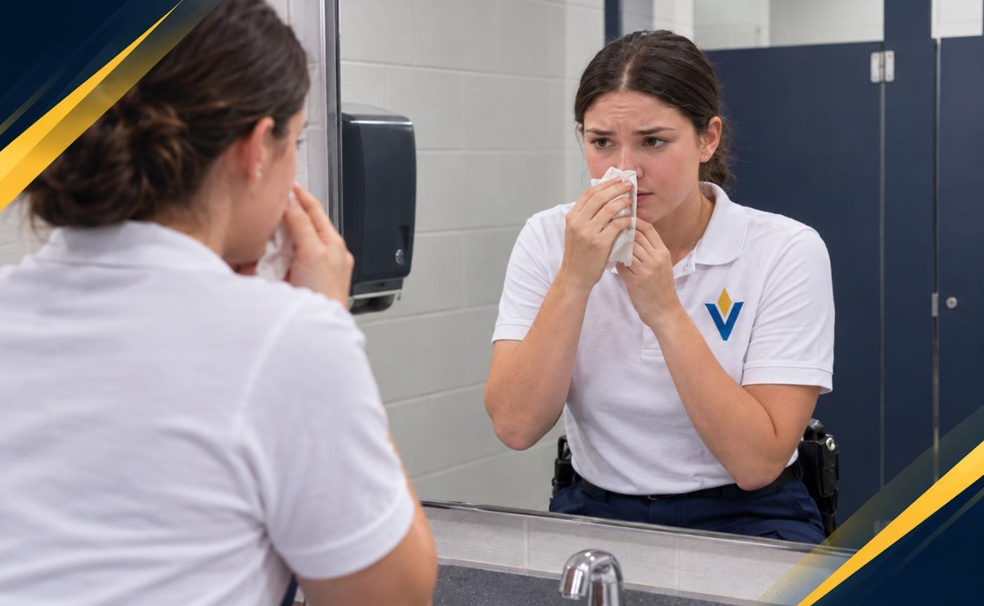
What Causes a Nosebleed?
A nosebleed, medically known as epistaxis, occurs when blood vessels inside the nose become irritated or damaged. The front part of the nose contains many small blood vessels close to the surface, making this area particularly susceptible to bleeding.
Common causes of nosebleeds include:
- Dry air that causes the nasal passages to become dry and irritated
- Nose picking or frequent touching of the nose
- Blowing the nose forcefully
- Allergies and nasal irritation
- Colds or respiratory infections
- Minor injuries to the nose
- Changes in temperature or humidity
- Certain medications, including blood thinners
- Frequent use of some nasal sprays
In some cases, recurrent nosebleeds can be associated with an underlying medical condition. If nosebleeds happen frequently or without an obvious cause, it is important to discuss them with a healthcare professional.
What to Do for a Nosebleed
If you or someone nearby has a nosebleed, the first step is to remain calm. Most uncomplicated nosebleeds can be managed with proper first aid.
1. Sit Upright and Lean Forward
Have the person sit upright and lean slightly forward. This helps reduce the chance of swallowing blood.
Avoid lying flat or tilting the head backward. Leaning backward can allow blood to run down the throat, which may cause coughing, choking, nausea, or vomiting.
2. Pinch the Soft Part of the Nose
Using the thumb and index finger, firmly pinch the soft part of the nose just below the bony bridge.
Keep steady pressure on the nose for about 10 to 15 minutes without repeatedly releasing it to check whether the bleeding has stopped. Consistent pressure gives the blood vessels time to seal.
Breathing through the mouth is normal while holding the nose.
3. Use a Cold Compress if Helpful
A cold compress placed over the bridge of the nose or cheeks may provide comfort. However, the most important first aid step is maintaining steady pressure on the soft part of the nose.
4. Avoid Blowing or Picking the Nose Immediately Afterward
Once the bleeding stops, avoid blowing, picking, or rubbing the nose for a while. These actions can disturb the developing clot and cause the nosebleed to start again.
If the nasal passages are frequently dry, using a humidifier or discussing appropriate nasal moisture products with a healthcare professional may help reduce irritation.
What Not to Do During a Nosebleed
Knowing what not to do is just as important as knowing the correct first aid steps.
Avoid:
- Tilting your head backward
- Lying flat
- Repeatedly releasing pressure to check the bleeding
- Blowing your nose immediately after the bleeding stops
- Picking or rubbing the inside of the nose
- Placing objects deep inside the nostrils
If bleeding continues despite proper first aid, additional medical evaluation may be necessary.
When Should You Seek Medical Help for a Nosebleed?
Most nosebleeds stop with appropriate first aid. However, some situations require medical attention.
Seek prompt medical care if:
- The bleeding is heavy
- The nosebleed does not stop after prolonged, consistent pressure
- The person feels weak, faint, confused, or has difficulty breathing
- The nosebleed occurs after a significant injury to the head or face
- There is a large amount of blood flowing down the throat
- Nosebleeds occur frequently or without an apparent cause
- The person takes blood-thinning medication
- There are other unusual symptoms or signs of significant blood loss
Children, older adults, and people with certain medical conditions may require additional consideration when experiencing recurrent or difficult-to-control nosebleeds.
When in doubt, contacting a healthcare professional can help determine whether further evaluation is needed.
How Can You Prevent Frequent Nosebleeds?
If dry or irritated nasal passages are contributing to nosebleeds, several simple habits may help.
Try to:
- Keep indoor air comfortably humidified
- Avoid picking or rubbing the nose
- Blow your nose gently
- Stay hydrated
- Avoid unnecessary irritation inside the nostrils
- Follow medical instructions when using nasal sprays
- Discuss recurring nosebleeds with a healthcare provider
If you experience frequent nosebleeds, do not assume that dryness is always the cause. A healthcare professional can help determine whether another factor may be contributing.
Why Basic First Aid Knowledge Matters in Healthcare
Knowing how to respond to a nosebleed is a simple example of the type of practical knowledge that can be valuable in healthcare settings. Healthcare professionals frequently encounter patients who are anxious, uncomfortable, or experiencing unexpected symptoms.
Learning how to remain calm, recognize warning signs, communicate clearly, and provide appropriate assistance is an important part of developing strong patient-care skills.
For prospective healthcare students in Miami, learning about everyday health concerns can be a useful starting point for exploring careers in the healthcare field. Programs and clinical experiences can help students build the knowledge and confidence needed to work with patients in professional healthcare environments.
Personalized Healthcare and Wellness Services in Miami
Understanding first aid is one part of taking care of your health. Professional healthcare and wellness services can also support individuals who are looking for personalized care based on their needs and goals.
CMVC Clinic & Lab, where health meets beauty, offers personalized medical-grade treatments and healthcare services in Miami. Services include IV therapy, vitamin blends, injectables, weight loss solutions, and school and work medical entry exams.
IV therapy options include wellness-focused infusions designed to support goals such as energy, immunity, and mental clarity. CMVC Clinic & Lab also offers vitamin blends, targeted injections, and other personalized wellness services.
For individuals preparing to enter a healthcare program or workplace, CMVC Clinic & Lab provides services such as physical exams, drug testing, titers, TB testing, and required vaccines. These services can help students and professionals complete common medical requirements for school and employment.
Take the Next Step Toward Better Health and Healthcare Education
Knowing what to do for a nosebleed can help you respond confidently when an unexpected situation occurs. Remember to sit upright, lean forward, and apply steady pressure to the soft part of the nose. If bleeding is severe, prolonged, recurrent, or associated with concerning symptoms, seek medical attention.
At CMVC Clinic & Lab, we are committed to providing affordable, reliable, and personalized healthcare and wellness services in Miami. Whether you are looking for wellness treatments, medical entry exams, or other healthcare services, our team is here to help you take the next step toward your health and wellness goals.
For prospective healthcare students, developing an understanding of basic health concerns and first aid is also a valuable way to begin building awareness of patient care. Healthcare education can provide the knowledge and practical skills needed to pursue a rewarding career helping others.
Contact CMVC Clinic & Lab to learn more about available services and get started today.