

Chest pain, shortness of breath, a racing heart, and sudden feelings of fear can be frightening. These symptoms can occur during a panic attack, but they can also be signs of a heart attack. Knowing the difference between a heart attack and a panic attack can help you recognize when symptoms require immediate medical attention.
For anyone living in Miami or throughout South Florida, understanding these warning signs is an important part of taking care of your health. While some symptoms may overlap, a heart attack is a medical emergency and should never be dismissed as anxiety without proper evaluation.
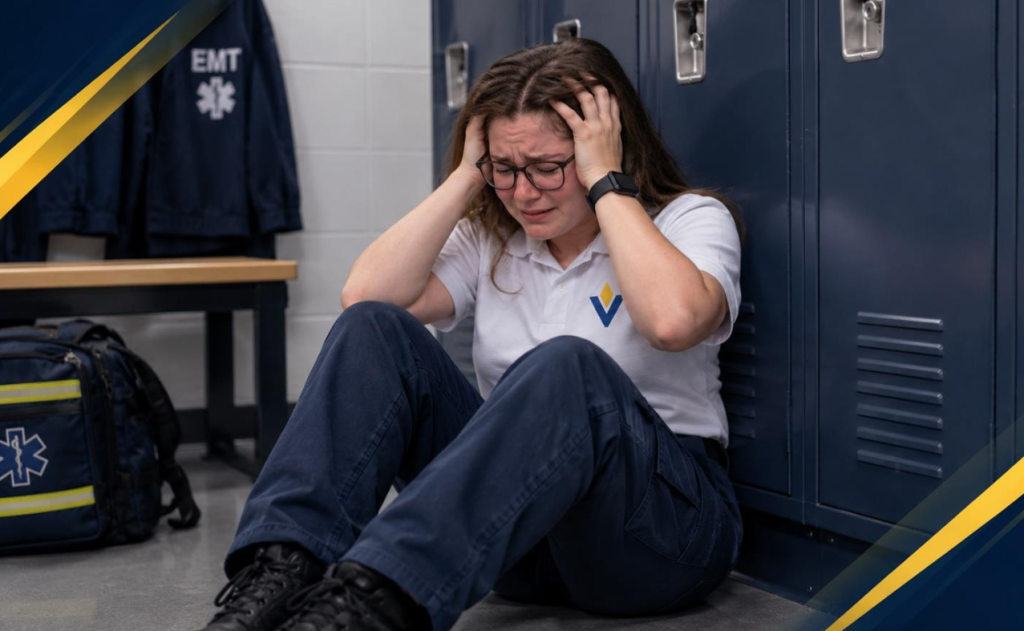
What Is a Heart Attack?
A heart attack occurs when blood flow to part of the heart muscle becomes blocked. Without enough oxygen-rich blood, the affected heart tissue can become damaged.
Heart attacks can happen suddenly or develop gradually. Some people experience intense symptoms, while others have milder or less obvious warning signs.
Common heart attack symptoms may include:
- Pressure, squeezing, fullness, or pain in the chest
- Pain or discomfort that spreads to the arm, shoulder, back, neck, jaw, or upper abdomen
- Shortness of breath
- Cold sweating
- Nausea or vomiting
- Lightheadedness or unusual weakness
- Unexplained fatigue
Not everyone experiences the classic symptom of severe chest pain. Women, older adults, and people with certain medical conditions may experience less typical symptoms.
What Is a Panic Attack?
A panic attack is a sudden episode of intense fear or discomfort that can occur with or without an obvious trigger. The body’s fight-or-flight response becomes highly activated, which can produce physical symptoms that feel very serious.
Panic attack symptoms may include:
- Rapid or pounding heartbeat
- Chest discomfort
- Shortness of breath
- Shaking or trembling
- Sweating
- Dizziness or lightheadedness
- Nausea
- Tingling or numbness
- Feeling hot or chilled
- A sense of losing control
- An intense fear of dying
Panic attacks can feel extremely similar to certain heart attack symptoms, which is why it is important not to assume that chest pain or other serious symptoms are simply anxiety.
Heart Attack vs. Panic Attack: What Is the Difference?
There are some patterns that may help distinguish a heart attack from a panic attack, but symptoms alone cannot reliably determine the cause.
Chest Discomfort
During a heart attack, chest discomfort is often described as pressure, squeezing, fullness, heaviness, or tightness. It may spread to other parts of the body, including the arms, back, neck, jaw, or shoulders.
During a panic attack, chest pain may feel sharp or tight and may occur alongside intense anxiety or fear.
However, these patterns can overlap. Chest pain should always be taken seriously.
How Symptoms Begin
Panic attacks can come on suddenly and may reach their peak within minutes.
Heart attack symptoms can also begin suddenly, but they may develop gradually or come and go. Physical activity can sometimes trigger symptoms, although a heart attack can occur at rest as well.
Symptoms That Spread
Pain or discomfort that travels from the chest toward the arm, shoulder, back, neck, or jaw is particularly concerning for a heart attack.
Panic attacks may cause widespread physical sensations, including tingling, trembling, or numbness, but they do not cause the same type of blocked blood flow that occurs during a heart attack.
Breathing and Heart Rate
Both conditions can cause rapid breathing and a fast heartbeat. This is one reason it can be difficult to distinguish between them without medical evaluation.
Can a Panic Attack Feel Like a Heart Attack?
Yes. A panic attack can cause chest discomfort, a racing heartbeat, shortness of breath, dizziness, sweating, and a strong fear that something is seriously wrong.
However, the similarity between symptoms is exactly why people should not self-diagnose. If you are experiencing new, severe, unexplained, or persistent symptoms, it is safer to seek emergency medical care.
When Should You Call 911?
If you think you may be having a heart attack, call 911 immediately.
Seek emergency help if you experience symptoms such as:
- Chest pressure, squeezing, or pain that lasts or returns
- Chest discomfort that spreads to the arm, back, neck, jaw, or shoulder
- Severe shortness of breath
- Fainting or severe dizziness
- Cold sweating with chest discomfort
- Sudden weakness or unusual fatigue
- Nausea or vomiting accompanied by concerning symptoms
Do not drive yourself to the hospital if you are experiencing possible heart attack symptoms. Emergency medical professionals can begin evaluating and treating you while you are being transported.
Why You Should Not Assume Chest Pain Is Anxiety
People who have experienced panic attacks before may recognize familiar symptoms and assume that another episode is occurring. However, having a history of anxiety does not rule out a heart problem.
Likewise, someone who has never experienced anxiety can have a panic attack that feels physically overwhelming.
When symptoms are new, severe, different from your usual symptoms, or difficult to explain, medical evaluation is the safest approach.
Supporting Your Overall Wellness
While wellness treatments cannot replace emergency medical care, maintaining healthy habits can be an important part of long-term health.
Hydration, adequate sleep, balanced nutrition, regular physical activity, and stress management can all contribute to overall wellness.
At Compumed Vocational Careers Clinic & Lab in Miami, our wellness services are designed to complement healthy lifestyle habits and provide personalized support for individuals looking to prioritize their well-being.
Our services include IV therapy, vitamin blends, wellness infusions, and targeted injectables.
For individuals focused on energy and wellness, our available services include:
Brainstorm Mental Clarity IV Therapy
Brainstorm is formulated with Alpha Lipoic Acid, L-Taurine, and Vitamin B6 and is designed to support mental clarity and concentration.
Get Up and Go Energy IV Therapy
Get Up and Go combines Olympia Vita Complex and Amino Blend to support energy and help address feelings of fatigue.
NUTRAFI Nutra Boost
This Vitamin B12 sublingual spray contains methylcobalamin and is designed to support daily energy and mental performance.
NAD+ Treatments
NAD+ is available through IM, IV, or SQ administration and is offered to support energy production, mental clarity, and cellular health.
These services are intended for wellness support and are not treatments for heart attacks, chest pain, or other medical emergencies.
Heart Health and Wellness in Miami
Understanding the difference between a heart attack and a panic attack can help you respond appropriately when concerning symptoms occur. The most important takeaway is that symptoms can overlap, and it is not always possible to tell the difference without medical evaluation.
If you experience possible heart attack symptoms, seek emergency medical care immediately rather than trying to determine whether the symptoms are caused by anxiety.
For non-emergency wellness needs, Compumed Vocational Careers Clinic & Lab provides personalized services in Miami designed to support energy, hydration, nutrition, recovery, and overall well-being.
Final Thoughts
A panic attack can feel very similar to a heart attack, but the two conditions have different causes and require different approaches. Chest pressure, spreading pain, severe shortness of breath, sweating, dizziness, or other concerning symptoms should never be ignored.
When in doubt, seek emergency medical attention. It is always better to have serious symptoms evaluated than to assume they are caused by stress or anxiety.
For ongoing wellness support, Compumed Vocational Careers Clinic & Lab offers personalized IV therapy, vitamin blends, injectables, and other wellness services for individuals in the Miami area.