

Emergency Medical Services (EMS) is evolving beyond the traditional model of transporting every patient to a hospital emergency department. Across the United States, healthcare organizations are exploring alternative approaches that allow qualified emergency medical personnel to assess patients, provide appropriate treatment at the scene, and help individuals access the most suitable level of care. One approach gaining attention is known as “treat-in-place.”
For communities like Miami, where traffic congestion, high emergency call volumes, and growing healthcare demands can place pressure on emergency services, alternative EMS care models may offer new ways to coordinate patient care and use medical resources more effectively.
These changes are also influencing how EMS agencies approach reimbursement, workforce development, and partnerships with other healthcare providers. For aspiring Emergency Medical Technicians (EMTs), understanding treat-in-place programs and alternative EMS payment models provides valuable insight into the future of emergency medicine.
What Is Treat-in-Place in Emergency Medical Services?
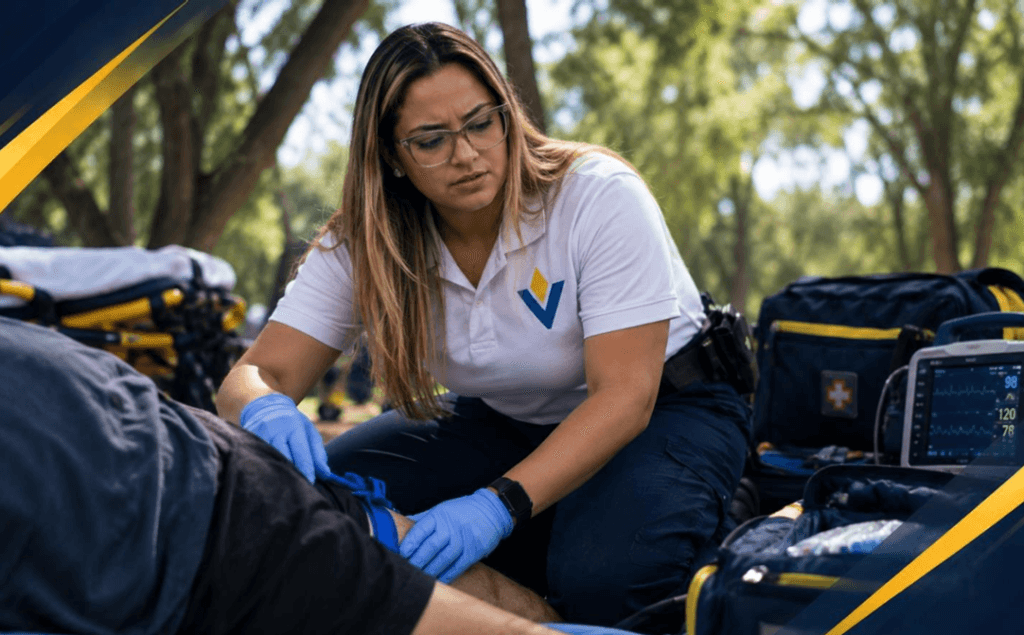
Treat-in-place is an approach that allows qualified healthcare professionals to evaluate and treat certain patients at their current location rather than automatically transporting them to a hospital. Depending on the program, patients may receive care at home, at a workplace, or at another location where an emergency occurs.
Traditional EMS frequently follows a model in which an ambulance responds to a call, assesses the patient, provides initial treatment, and transports the individual to an emergency department when indicated. Although hospital transport remains essential for many emergencies, some patients may benefit from alternative care pathways.
Treat-in-place programs can allow trained EMS personnel to provide appropriate on-site care when the patient’s condition, local protocols, and available resources support that decision.
Examples may include:
- Assessing patients with certain non-life-threatening complaints.
- Providing treatment within the scope of practice of the responding personnel.
- Consulting with physicians or other qualified healthcare professionals when a program supports clinical consultation.
- Connecting patients with primary care, urgent care, community health services, or other appropriate follow-up resources.
- Providing clear instructions about warning signs that require additional medical attention.
Treat-in-place does not mean avoiding hospital care when it is necessary. Patients with potentially life-threatening conditions must receive appropriate emergency evaluation and transport according to clinical findings and established protocols.
The goal is to match patients with the right level of care while maintaining patient safety.
Why Is EMS Moving Toward Alternative Care Models?
Several factors are encouraging healthcare organizations to reconsider how emergency medical services are delivered.
Growing Demand for Emergency Services
Emergency departments frequently manage a wide range of medical concerns, from life-threatening injuries to conditions that may be better addressed in other healthcare settings.
When patients rely on emergency departments for care that could safely be delivered elsewhere, hospital resources may become strained. At the same time, EMS crews may spend considerable time waiting to transfer patients, potentially limiting ambulance availability for other emergencies.
Alternative EMS care models aim to improve coordination between emergency response and the broader healthcare system. When appropriate, treating a patient on-site or connecting them with another provider may reduce unnecessary transportation and help preserve resources for patients who need emergency department care.
Rising Healthcare Costs
Ambulance responses, emergency department visits, and hospital admissions can create substantial costs for patients and healthcare organizations.
Treat-in-place programs may offer opportunities to manage selected conditions through less resource-intensive pathways. However, cost savings are not automatic. Programs must account for staffing, medical supplies, clinical oversight, follow-up services, and the possibility that a patient may later require hospital treatment.
The financial impact depends on the patient population, the services provided, and how the program is structured.
Improved Access to Coordinated Care
Some patients face barriers to routine healthcare, including limited transportation, difficulty scheduling appointments, or a lack of established primary care.
When supported by appropriate partnerships, alternative EMS models can help connect these individuals with healthcare services beyond the emergency department.
This may be particularly valuable for patients who need follow-up care, assistance navigating the healthcare system, or connections to community-based resources.
Advances in Mobile Healthcare Technology
Telehealth, electronic patient records, mobile diagnostic tools, and communication systems can support alternative EMS care models.
Depending on the program, these tools may help EMS personnel consult with clinicians, document assessments, and coordinate follow-up services. Technology can improve communication, but it does not replace professional assessment or the need to transport patients when clinically indicated.
Understanding Alternative EMS Payment Models
A major challenge for treat-in-place programs is determining how EMS agencies receive payment for care delivered outside traditional ambulance transportation.
Historically, many ambulance reimbursement arrangements have emphasized medically necessary transportation. This can create financial challenges for agencies that want to provide appropriate treatment without transporting every patient.
Alternative EMS payment models seek to address this issue by recognizing different types of care and service delivery.
1. Treatment-in-Place Reimbursement
Under a treatment-in-place payment arrangement, an EMS agency may receive reimbursement for qualifying assessment and treatment services even when the patient is not transported.
Coverage depends on the payer, applicable regulations, program design, documentation requirements, and the patient’s insurance plan.
Medicare has developed certain payment pathways for qualifying ambulance services, but coverage is not universal across all patients, providers, and circumstances. EMS agencies must verify applicable requirements before relying on reimbursement for a particular service.
Recognizing treatment without transportation can help make alternative care programs more financially sustainable when the services meet established coverage criteria.
2. Community Paramedicine and Mobile Integrated Healthcare
Community paramedicine and mobile integrated healthcare programs extend the role of EMS personnel into coordinated, community-based care.
Depending on local authorization and program design, these services may include post-discharge follow-up, chronic disease support, home assessments, preventive care coordination, and connections to primary care.
Payment may come from healthcare organizations, government programs, grants, contracts, or other approved funding arrangements.
These models can create opportunities for EMS agencies to collaborate with hospitals, insurers, clinics, and community organizations. They also require appropriate training, clinical oversight, and clearly defined responsibilities.
3. Value-Based Care Arrangements
Value-based healthcare arrangements focus on the quality and outcomes of care rather than relying exclusively on the number of services delivered.
In some arrangements, healthcare organizations receive financial incentives for improving outcomes, reducing avoidable hospital utilization, or coordinating care more effectively.
EMS agencies may participate in these arrangements through partnerships with hospitals, accountable care organizations, health plans, or other healthcare entities.
For example, an EMS program might collaborate with a healthcare organization to help high-risk patients access appropriate follow-up care after an emergency response. The financial structure would depend on the agreement and the applicable payment rules.
Value-based arrangements can encourage coordination across healthcare settings, but they require reliable outcome measurement and clear accountability.
4. Contracts and Alternative Funding Sources
Some EMS agencies support community-based programs through contracts with hospitals, local governments, healthcare organizations, or other partners.
These arrangements may fund services that are not fully covered through traditional fee-for-service reimbursement.
Contract-based funding can help agencies test new approaches, develop referral networks, and evaluate whether alternative care models meet community needs.
However, organizations must assess staffing costs, clinical requirements, patient outcomes, and long-term funding before expanding a program.
How Treat-in-Place Can Affect EMS Operations in Miami
Miami presents a complex environment for emergency medical services. Traffic congestion, population density, tourism, and varying access to healthcare can create significant operational demands.
Alternative EMS care models may help address some of these challenges when implemented carefully and supported by local healthcare partners.
More Efficient Use of Ambulances
When a patient can safely receive appropriate treatment without transportation, an ambulance may become available sooner for another emergency.
This does not mean that every non-transport call should be treated in place. Instead, qualified personnel must determine whether the patient’s condition and the available care options support that decision.
Efficient resource use depends on clinical judgment, medical protocols, and access to appropriate follow-up services.
Stronger Connections Between EMS and Other Providers
Treat-in-place programs work best when EMS agencies have clear pathways for connecting patients with additional care.
In Miami, partnerships with clinics, primary care providers, urgent care centers, hospitals, and community organizations may help patients access appropriate services after an EMS assessment.
These partnerships must include clear communication procedures and realistic follow-up arrangements. Simply advising a patient to seek care elsewhere may be insufficient if that patient cannot access the recommended service.
Greater Focus on Patient-Centered Decisions
Alternative EMS models encourage providers to consider the patient’s medical needs, available resources, and appropriate next steps rather than treating hospital transport as the only possible outcome.
Patient preferences are important, but decisions must remain consistent with clinical findings, applicable protocols, and safety requirements.
If a patient’s condition is unstable, symptoms suggest a serious emergency, or an appropriate alternative cannot be established, emergency transport or escalation of care may be necessary.
The Challenges of Implementing Treat-in-Place Programs
Although alternative EMS care models offer potential benefits, they also introduce clinical, operational, and financial challenges.
Patient Safety and Clinical Decision-Making
The most important consideration is whether a patient can safely remain at the scene. EMS personnel must recognize potentially serious conditions, conduct appropriate assessments, follow approved protocols, and identify situations requiring escalation.
Symptoms that initially appear minor may indicate a more serious medical problem. Clear documentation, appropriate consultation, and reliable follow-up procedures are essential safeguards.
Training and Scope of Practice
Not every EMS professional is authorized or trained to provide the same services. The treatments that personnel may deliver depend on their credentials, state regulations, medical direction, and agency protocols.
Expanding services may require additional education, clinical supervision, equipment, and quality assurance procedures.
Programs must ensure that personnel understand their responsibilities and the limits of their authority.
Reimbursement and Financial Sustainability
Alternative payment models can be complicated. Agencies must understand payer requirements, service eligibility, documentation standards, and applicable billing rules.
A program may deliver meaningful benefits but remain financially difficult to sustain if reimbursement is limited or operating costs are too high.
Evaluating costs and outcomes is therefore essential before a program expands.
Patient Access and Equity
Alternative care pathways should not unintentionally disadvantage patients who face barriers to healthcare.
For example, a patient without transportation, insurance coverage, reliable communication, or access to primary care may struggle to follow a referral.
Effective programs consider these barriers and develop appropriate support systems rather than assuming that every patient can independently obtain follow-up care.
What This Shift Means for Future EMTs
For students interested in becoming EMTs, the move toward treat-in-place highlights how emergency medical services are expanding beyond traditional response and transportation.
EMTs will continue to play an important role in assessing patients, recognizing emergencies, providing appropriate care, and communicating with other healthcare professionals. As alternative care models develop, the ability to work within coordinated healthcare systems may become increasingly valuable.
Important skills include:
- Patient assessment: Identifying signs of serious illness and determining when additional medical care is necessary.
- Communication: Explaining care recommendations clearly and sharing accurate information with dispatchers, clinicians, and receiving providers.
- Documentation: Recording assessments, treatments, patient decisions, and follow-up instructions accurately.
- Critical thinking: Recognizing when a patient’s needs exceed the capabilities of an on-site treatment program.
- Professional judgment: Following established protocols and understanding the limits of personal training and authorization.
- Care coordination: Helping connect patients with appropriate resources when supported by the EMS program.
These skills support safe patient care regardless of whether an emergency response ends with hospital transportation or an approved alternative care pathway.
The Connection Between EMS, Preventive Healthcare, and Wellness
Treat-in-place and community-based EMS programs also highlight a broader healthcare priority: helping people access appropriate care before health concerns become more serious.
Emergency medical services cannot replace primary care, preventive medicine, or ongoing treatment. However, well-designed partnerships can help connect patients with healthcare resources that address their needs beyond a single emergency call.
Preventive healthcare may include routine medical evaluations, recommended vaccinations, follow-up appointments, and support from qualified healthcare professionals.
For healthcare students and working professionals, personal wellness is also important. Demanding schedules can make it difficult to maintain consistent sleep, nutrition, hydration, and medical appointments. Developing sustainable health habits can support overall well-being throughout a healthcare career.
CMVC Clinic & Labs in Miami offers personalized wellness services, including IV therapy, vitamin blends, injectables, and weight loss treatments. The clinic also provides school and work medical entry examinations, physical exams, drug testing, titers, and selected vaccines.
Individuals considering wellness treatments should consult a qualified healthcare professional to determine whether a service is appropriate for their needs. These services are separate from emergency medical treatment and do not replace appropriate EMS evaluation, hospital care, or evidence-based preventive healthcare.
How CMVC Supports Individuals Exploring Healthcare Careers in Miami
As the healthcare industry evolves, prospective students have opportunities to explore career paths that combine patient care, communication, and changing healthcare delivery models.
CompuMed Vocational Careers (CMVC) serves individuals interested in healthcare education in Miami. Students considering emergency medical services can explore available training options and learn more about the preparation required for a healthcare career.
Understanding emerging topics such as treat-in-place, community paramedicine, and alternative EMS reimbursement can help future healthcare professionals appreciate the broader systems that influence patient care.
While payment policies and clinical responsibilities may change over time, the need for knowledgeable, compassionate, and well-prepared healthcare professionals remains essential.
The Future of Treat-in-Place and Alternative EMS Payment
The shift toward treat-in-place reflects a broader effort to make emergency medical services more coordinated, patient-centered, and financially sustainable.
Alternative EMS payment models may help agencies recognize the value of appropriate on-site treatment, community paramedicine, and collaboration with other healthcare providers. When supported by effective clinical protocols, adequate funding, and reliable follow-up systems, these approaches may improve resource utilization and help patients access suitable care.
However, successful implementation requires careful planning. Patient safety, professional training, equitable access, and appropriate reimbursement must remain central to every program.
For aspiring EMTs in Miami, understanding these developments offers valuable insight into how emergency medicine is changing and why adaptability is an important professional skill.
Ready to explore a future in healthcare? Contact CMVC to learn more about healthcare education opportunities in Miami. You can also connect with CMVC Clinic & Labs to explore available wellness services and medical entry examinations. Building a future in healthcare begins with learning, preparation, and a commitment to supporting the well-being of others.