

Working as an Emergency Medical Technician (EMT) in a busy urban environment requires physical endurance, quick decision-making, and the ability to provide patient care under pressure. In cities like Miami, EMTs may respond to multiple emergency calls throughout a shift, often lifting patients, carrying medical equipment, kneeling in confined spaces, and working inside ambulances with limited room to move.
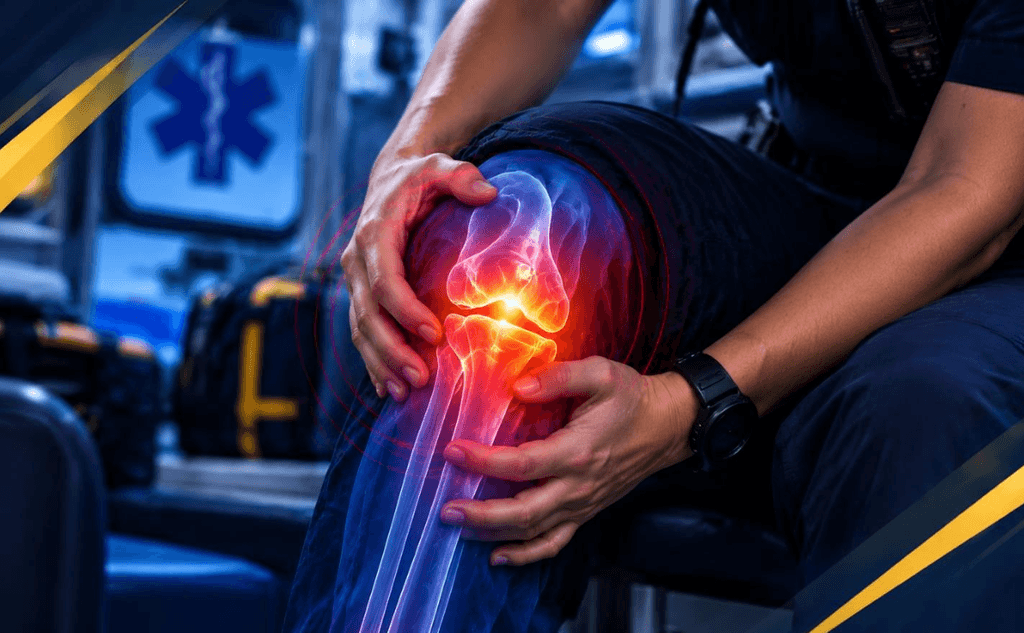
Although these responsibilities are essential to emergency medical services, they can also place significant stress on the spine, shoulders, knees, and other joints. Understanding ambulance ergonomics and proper body mechanics can help EMTs reduce the risk of work-related injuries, protect their long-term health, and maintain the physical readiness required for emergency response.
For aspiring EMTs, learning how to prevent occupational injuries is an important part of preparing for a sustainable career in emergency medical services.
What Is Ambulance Ergonomics?
Ambulance ergonomics refers to the way emergency medical personnel interact with their work environment, equipment, and patients to minimize physical strain. It involves adjusting movements, positioning equipment, and organizing patient care tasks to make demanding work safer and more efficient.
Unlike many traditional workplaces, ambulances present unique ergonomic challenges. EMTs frequently work in narrow compartments, bend over patients, reach across equipment, and perform tasks while kneeling or standing in awkward positions.
High-volume urban shifts can make these challenges more difficult. Frequent emergency calls may limit opportunities for rest and recovery, increasing the effects of repetitive movements and physical fatigue.
Effective ambulance ergonomics focuses on several important practices:
- Maintaining proper posture while lifting, transferring, and repositioning patients.
- Using stretchers, powered loading systems, and other available equipment correctly.
- Keeping frequently used medical supplies within safe reach.
- Avoiding unnecessary twisting, bending, and reaching.
- Working with a partner when lifting or moving patients.
- Recognizing fatigue and taking appropriate opportunities to recover.
These practices can help reduce preventable strain while supporting safer patient handling.
Why EMTs Are at Risk for Spine and Joint Injuries
Emergency medical personnel perform physically demanding tasks in unpredictable environments. A patient may need to be moved down a narrow hallway, carried from an apartment building, or transferred from the ground onto a stretcher. Each situation presents different challenges.
Repetitive Lifting and Patient Transfers
Lifting and transferring patients are among the most physically demanding responsibilities in EMS. EMTs may need to move patients who cannot stand independently or safely support their own weight.
Improper lifting techniques, sudden movements, and lifting loads that exceed an individual’s capabilities can increase stress on the lower back, shoulders, and knees. Repeated exposure to these tasks may contribute to muscle strains and other musculoskeletal injuries.
Whenever possible, EMTs should use appropriate lifting equipment, coordinate movements with their partners, and follow established patient-handling procedures.
Prolonged Kneeling, Bending, and Awkward Postures
Emergency scenes rarely provide ideal working conditions. EMTs may kneel beside a patient on the floor, bend over a stretcher, or reach into a confined ambulance compartment while providing treatment.
Maintaining these positions for extended periods can place additional pressure on joints and soft tissues. Repeated spinal twisting and deep bending may also increase discomfort, especially when combined with lifting.
Changing positions when clinically appropriate, organizing equipment before beginning a task, and using available support surfaces can help minimize unnecessary strain.
Vibrations and Prolonged Sitting
Driving an ambulance exposes EMS personnel to vehicle vibration, road impacts, and extended periods of sitting. Poor seat positioning and inadequate lumbar support may contribute to back discomfort during long shifts.
EMTs who alternate between driving and patient care may experience additional strain when transitioning quickly from a seated position to lifting or carrying equipment.
Adjusting the seat to support a neutral posture, wearing the seat belt correctly, and avoiding unnecessary reaching while driving can improve comfort and safety.
Fatigue During High-Volume Urban Shifts
In busy cities like Miami, consecutive emergency calls can leave EMTs with limited time to recover between physically demanding tasks. Fatigue can reduce concentration, coordination, and the ability to maintain proper body mechanics.
When personnel become tired, they may be more likely to rush a patient transfer, overlook available equipment, or use unsafe lifting techniques.
Recognizing fatigue as a workplace safety concern is essential. Whenever operational demands allow, EMTs should use appropriate breaks, communicate with their partners, and follow agency procedures for managing fatigue.
Best Ergonomic Practices for EMTs
Preventing spine and joint injuries requires more than knowing how to lift correctly. It involves consistent habits, appropriate equipment use, communication, and attention to the physical demands of each emergency.
1. Use Proper Body Mechanics
Good body mechanics help distribute physical demands more effectively during lifting and movement.
When moving a patient or handling equipment, EMTs should maintain a stable stance, keep loads close to their bodies when feasible, and avoid twisting their spines while carrying weight. Pivoting with the feet instead of rotating the torso under load can help reduce unnecessary strain.
However, proper technique does not make every lift safe. EMTs should never rely on body mechanics alone when a patient or object is too heavy, unstable, or difficult to maneuver.
2. Use Available Patient-Handling Equipment
Modern EMS agencies may provide powered stretchers, stair chairs, transfer devices, slide sheets, and other equipment designed to make patient movement safer.
When equipment is available, EMTs should receive appropriate training and follow manufacturer instructions and agency protocols. Powered stretchers and mechanical assistance can reduce the physical demands of lifting, although they do not eliminate every risk.
Before moving a patient, personnel should assess the environment, determine which equipment is appropriate, and request additional assistance when needed.
3. Coordinate Every Lift With Your Partner
Communication is especially important when transferring patients in confined spaces or navigating stairs.
Before beginning a lift, EMTs should agree on the plan, establish clear commands, and identify obstacles. Both team members should understand their responsibilities and coordinate movements rather than lifting independently or unexpectedly changing direction.
If a transfer becomes unsafe, personnel should pause when clinically appropriate and reassess the situation.
4. Organize the Ambulance for Safer Movement
An organized ambulance can reduce unnecessary bending, reaching, and twisting.
Frequently used equipment should be secured in designated locations and arranged according to agency procedures. EMTs should avoid storing supplies in positions that require repeated awkward movements whenever a safer arrangement is possible.
All equipment must remain properly secured during transport. Personnel should also follow vehicle safety procedures and avoid accessing unsecured compartments while the ambulance is moving.
5. Maintain Physical Conditioning and Mobility
Physical conditioning can help EMTs prepare for the demands of emergency response. Strength, cardiovascular endurance, balance, and mobility all contribute to functional movement.
A balanced fitness routine may include exercises that strengthen the core, hips, legs, and upper back, along with mobility work and appropriate recovery. Exercises should match an individual’s fitness level and any professional guidance they have received.
Stretching alone cannot prevent every injury, but maintaining physical capacity may help personnel perform job tasks more comfortably and efficiently.
6. Recognize Pain and Report Injuries Early
Ignoring recurring back pain, joint discomfort, or muscle strain can allow a manageable problem to become more serious.
EMTs should follow workplace reporting procedures when they experience an injury or develop symptoms associated with their duties. Persistent or worsening pain should be evaluated by a qualified healthcare professional.
Sudden severe back pain, new weakness, significant numbness, or loss of bladder or bowel control requires urgent medical evaluation. EMTs should not assume that these symptoms are simply the result of a demanding shift.
How EMS Agencies Can Support Injury Prevention
Individual habits are important, but workplace conditions also influence the risk of occupational injuries. EMS agencies can support their personnel by building ergonomic practices into everyday operations.
Effective strategies include:
- Providing regular training in patient handling and safe equipment operation.
- Maintaining stretchers, loading systems, and other lifting equipment.
- Establishing clear procedures for requesting additional personnel.
- Encouraging early reporting of pain, near misses, and work-related injuries.
- Reviewing ambulance layouts and equipment placement for potential ergonomic improvements.
- Supporting reasonable opportunities for hydration, rest, and recovery between calls when operationally possible.
Supervisors can also review injury reports and identify recurring problems. For example, repeated injuries during stair carries may indicate a need for additional equipment, updated procedures, or more training.
A workplace culture that prioritizes safety benefits EMTs, supports consistent patient care, and helps agencies retain experienced personnel.
The Connection Between EMT Wellness and Long-Term Career Success
A career in emergency medical services can be physically and emotionally demanding. EMTs must remain prepared to respond to unpredictable situations while making important decisions under pressure.
Protecting physical health is therefore an important part of professional development. Learning to recognize fatigue, use ergonomic equipment, and report injuries can help new EMTs establish habits that support long-term career sustainability.
Wellness also extends beyond injury prevention. Adequate sleep, balanced nutrition, hydration, and access to appropriate healthcare can contribute to overall well-being. These practices are particularly important for professionals working irregular schedules or consecutive shifts.
For EMTs who want to maintain their ability to perform demanding work, personalized healthcare services may be one part of a broader wellness routine. CMVC Clinic & Labs in Miami offers services that include IV therapy, vitamin blends, injectables, and school and work medical entry examinations. Individuals considering any wellness treatment should consult a qualified healthcare professional to determine whether it is appropriate for their needs.
Wellness treatments are not substitutes for safe working conditions, injury prevention measures, adequate rest, or medical evaluation when symptoms occur.
Preparing for a Career in Emergency Medical Services in Miami
Aspiring EMTs should understand that emergency response involves much more than learning medical procedures. The profession also requires physical awareness, teamwork, communication, and the ability to work safely in challenging environments.
Training helps future emergency medical personnel develop the knowledge and practical skills needed to assess patients, assist with emergency care, and respond to unpredictable scenes. Learning safe patient handling and injury prevention can help students build a strong foundation before entering the workforce.
For individuals interested in pursuing EMT training in Miami, CompuMed Vocational Careers (CMVC) provides a pathway to explore healthcare education and begin preparing for a career in emergency medical services.
As you consider this career, take time to understand both the rewards and physical demands of the profession. Developing safe work habits early can help you protect your health while preparing to serve your community.
Build a Healthier Future in Healthcare
Ambulance ergonomics plays an important role in reducing preventable spine and joint injuries among EMTs, particularly during high-volume urban shifts. Proper body mechanics, patient-handling equipment, coordinated teamwork, effective ambulance organization, and attention to fatigue can all contribute to a safer working environment.
For future EMTs, injury prevention is an essential part of professional readiness. The habits developed during training can influence how safely and confidently emergency medical personnel perform their responsibilities throughout their careers.
Whether you are exploring EMT education or looking for ways to support your overall well-being, taking proactive steps toward health and safety can help you prepare for the demands of healthcare.
Explore your healthcare education options with CMVC in Miami and take the next step toward a future in emergency medical services. For personalized wellness services, contact CMVC Clinic & Labs to learn more about available treatments and healthcare support.