

Emergency Medical Technicians, commonly called EMTs, work in environments where unexpected and serious situations can happen. They respond to medical emergencies, accidents, injuries, and other situations where people need immediate care. Because of the nature of emergency medical services, many people considering this career ask, “Is being an EMT dangerous?”
The answer depends on the situation, work environment, and type of emergency call. EMTs can face occupational risks, including exposure to infectious diseases, physical injuries, vehicle crashes, hazardous environments, and unpredictable situations. However, EMT education and workplace safety procedures are designed to help professionals identify hazards, protect themselves and their patients, and provide care safely.
For prospective EMT students in Florida, understanding the risks of the profession can help you make an informed decision about whether emergency medical services is the right career path for you.
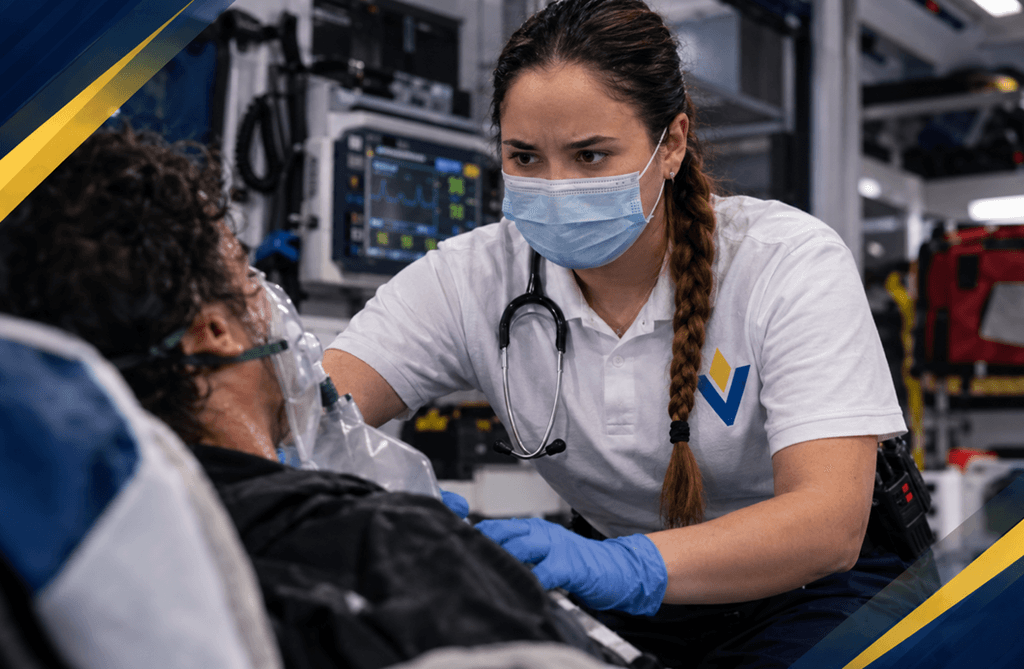
Why Can Being an EMT Be Dangerous?
EMTs often arrive at situations before other healthcare professionals. They may provide care at accident scenes, homes, roadsides, workplaces, public locations, and other environments that are not controlled like a hospital.
Some of the potential hazards EMTs may encounter include:
- Traffic and vehicle accidents
- Infectious diseases
- Blood and bodily fluid exposure
- Lifting and moving patients
- Fires and other environmental hazards
- Violent or unpredictable situations
- Extreme weather conditions
- Stressful emergency situations
- Ambulance and roadside transportation risks
Not every EMT encounters every type of hazard. The risks can vary depending on the employer, location, emergency call, and work environment.
Do EMTs Work Around Dangerous Situations?
Sometimes. EMTs may respond to emergencies where the environment itself presents a safety concern.
For example, an EMT responding to a vehicle collision may encounter traffic, damaged vehicles, spilled fluids, broken glass, or unstable surroundings. In other situations, EMTs may respond to homes or public locations where they need to evaluate whether the environment is safe before providing patient care.
Scene safety is an important part of emergency medical training. EMTs are taught to assess potential hazards and take appropriate precautions rather than immediately entering an unsafe environment.
Can EMTs Get Injured on the Job?
Like many healthcare and emergency service professionals, EMTs can experience workplace injuries.
Physical demands may include:
- Moving patients
- Lifting stretchers
- Carrying medical equipment
- Working in confined spaces
- Kneeling or bending for extended periods
- Assisting patients who have limited mobility
Proper lifting techniques, equipment, communication, and teamwork can help reduce unnecessary physical strain and injury risks.
EMTs also need to understand their own physical limitations. Asking for assistance when moving a patient is an important part of working safely.
Are EMTs at Risk of Infectious Diseases?
EMTs may encounter patients with contagious illnesses or come into contact with blood and other bodily fluids.
Because of this, infection prevention is an important part of emergency medical services.
EMTs may use personal protective equipment, commonly known as PPE, such as:
- Gloves
- Masks
- Eye protection
- Gowns or other protective clothing
EMTs are also trained in appropriate hygiene and infection control practices. These precautions help reduce the risk of exposure for both emergency responders and patients.
Are EMTs at Risk During Ambulance Driving?
Transportation is another consideration when discussing whether being an EMT is dangerous.
Emergency medical crews may travel in ambulances during emergency responses and while transporting patients. Driving and working around road traffic can create risks, particularly when responding to emergency calls.
EMS organizations use safety procedures intended to reduce transportation-related risks. EMTs also need to understand the importance of seat belt use, communication with their crew, and following appropriate vehicle safety procedures.
Can EMTs Encounter Violent Situations?
Emergency medical professionals can sometimes encounter unpredictable or potentially unsafe situations.
An emergency call may involve a patient who is confused, intoxicated, experiencing a behavioral crisis, or otherwise acting unpredictably. EMTs may also respond to scenes involving law enforcement activity or other safety concerns.
EMTs are trained to recognize potential hazards and work with other emergency personnel when additional assistance is necessary.
Importantly, EMTs are not expected to knowingly enter an unsafe environment. Scene safety is a priority before patient care begins.
Is Being an EMT Physically Demanding?
Yes. EMT work can require physical activity throughout a shift.
Depending on the job, EMTs may spend time:
- Walking or standing
- Lifting and moving equipment
- Moving patients
- Entering and exiting ambulances
- Working in unusual positions
- Providing care in confined spaces
Physical conditioning and proper body mechanics can be helpful for managing these responsibilities.
EMT education also teaches students how to use equipment and work with other members of an emergency response team.
Is Being an EMT Stressful?
Emergency medical services can involve emotionally and physically demanding situations. EMTs may respond to patients experiencing serious injuries, medical emergencies, or other critical circumstances. They must remain focused while collecting information, assessing patients, communicating with their team, and providing appropriate care.
Developing strong communication, decision making, and patient assessment skills can help EMTs manage the responsibilities of emergency medical care.
Training provides students with opportunities to practice responding to emergency scenarios before entering the workforce.
How Do EMTs Stay Safe?
Safety is an important part of EMT training and professional practice. EMTs can help protect themselves and their patients by:
Assessing the Scene
Before beginning patient care, EMTs consider potential hazards around the scene.
Using Personal Protective Equipment
PPE can help reduce exposure to blood, bodily fluids, and infectious materials.
Using Proper Lifting Techniques
EMTs use appropriate body mechanics and equipment when moving patients.
Working as a Team
Communication between EMTs, paramedics, firefighters, law enforcement officers, and other professionals can improve coordination during emergency responses.
Following Emergency Protocols
Standard procedures help EMTs respond consistently to different types of emergencies.
Knowing When a Scene Is Unsafe
EMTs need to recognize when additional resources or scene control are necessary before patient care can safely begin.
What Training Do EMTs Receive?
EMT training prepares students to provide emergency medical care while considering patient and responder safety.
Students learn about areas such as:
- Patient assessment
- Pre hospital emergency care
- Basic Life Support
- Airway management
- Trauma management
- Medical emergencies
- Emergency protocols
- Medical equipment
- Safe patient transportation
- Teamwork and communication
Hands on simulations can help students become familiar with emergency scenarios in a controlled educational environment.
Is Being an EMT Worth It for Someone Interested in Healthcare?
Whether EMT work is the right career depends on an individual’s interests, goals, and comfort with the responsibilities of emergency medical services.
EMT work can provide experience in patient care, emergency response, communication, and healthcare teamwork. It can also serve as an entry point for individuals who want to explore broader opportunities in healthcare or emergency services.
Potential EMT work settings include:
- Ambulance services
- Fire departments with EMS
- Emergency rooms and urgent care clinics
- Medical transport companies
EMT Training at Compumed Vocational Careers in Florida
For students interested in becoming an EMT in Florida, Compumed Vocational Careers offers an Emergency Medical Technician program designed to provide foundational knowledge and practical emergency response skills.
The CMVC EMT program combines classroom instruction with simulations and clinical experience. Students learn how to assess patients, respond to medical emergencies, use medical equipment, and work effectively as part of a healthcare team.
How Long Is the CMVC EMT Program?
The Emergency Medical Technician program at Compumed Vocational Careers can be completed in:
4 months, or 16 weeks
The program includes:
300 total hours
Training is provided in person and includes simulations and clinical experience.
What Do You Learn in the CMVC EMT Program?
CMVC students develop skills related to:
- Pre hospital care for medical emergencies
- Basic Life Support and airway management
- Patient assessment and trauma management
- Medical equipment
- Safe patient transportation
- Emergency protocols
- Effective teamwork
Students also work toward developing the ability to assess and stabilize patients, apply life saving procedures, and act safely and professionally during emergency situations.
CMVC EMT Program Admission Requirements
Students interested in the CMVC EMT program must:
- Be at least 18 years old
- Have a high school diploma or GED
- Provide a valid ID and Social Security Number
- Complete a medical exam
- Have up to date vaccinations
- Complete a drug test
- Have CPR or BLS certification, or complete it during the program
Previous EMT experience is not required.
So, Is Being an EMT Dangerous?
EMT work does involve occupational risks because emergency medical professionals respond to unpredictable situations and environments. However, recognizing and managing those risks is an important part of EMT education and professional practice.
EMTs learn to evaluate scenes, use protective equipment, communicate with their teams, follow emergency protocols, and prioritize safety while providing patient care.
For someone interested in emergency medical services, understanding both the responsibilities and risks of the profession is an important part of deciding whether EMT training is the right next step.
Start Your EMT Career in Florida
If you are interested in becoming an EMT, learning how to respond safely to emergencies is just as important as learning how to treat patients.
Compumed Vocational Careers offers an in person EMT program that can be completed in 4 months and includes 300 hours of training, simulations, and clinical experience. Students develop foundational skills in patient assessment, trauma management, Basic Life Support, airway management, emergency protocols, and patient transportation.
If you are ready to explore a career in emergency medical services, learn more about the EMT program at Compumed Vocational Careers and take your first step toward becoming an EMT in Florida.