
The history of nursing in Florida is tied to the Latino community, which has been crucial in developing and expanding health care services in the state. Latino immigrants have been a driving force in this profession, not only for their ability and dedication, but also for connecting with a diverse population in a state that has many Spanish-speaking residents.
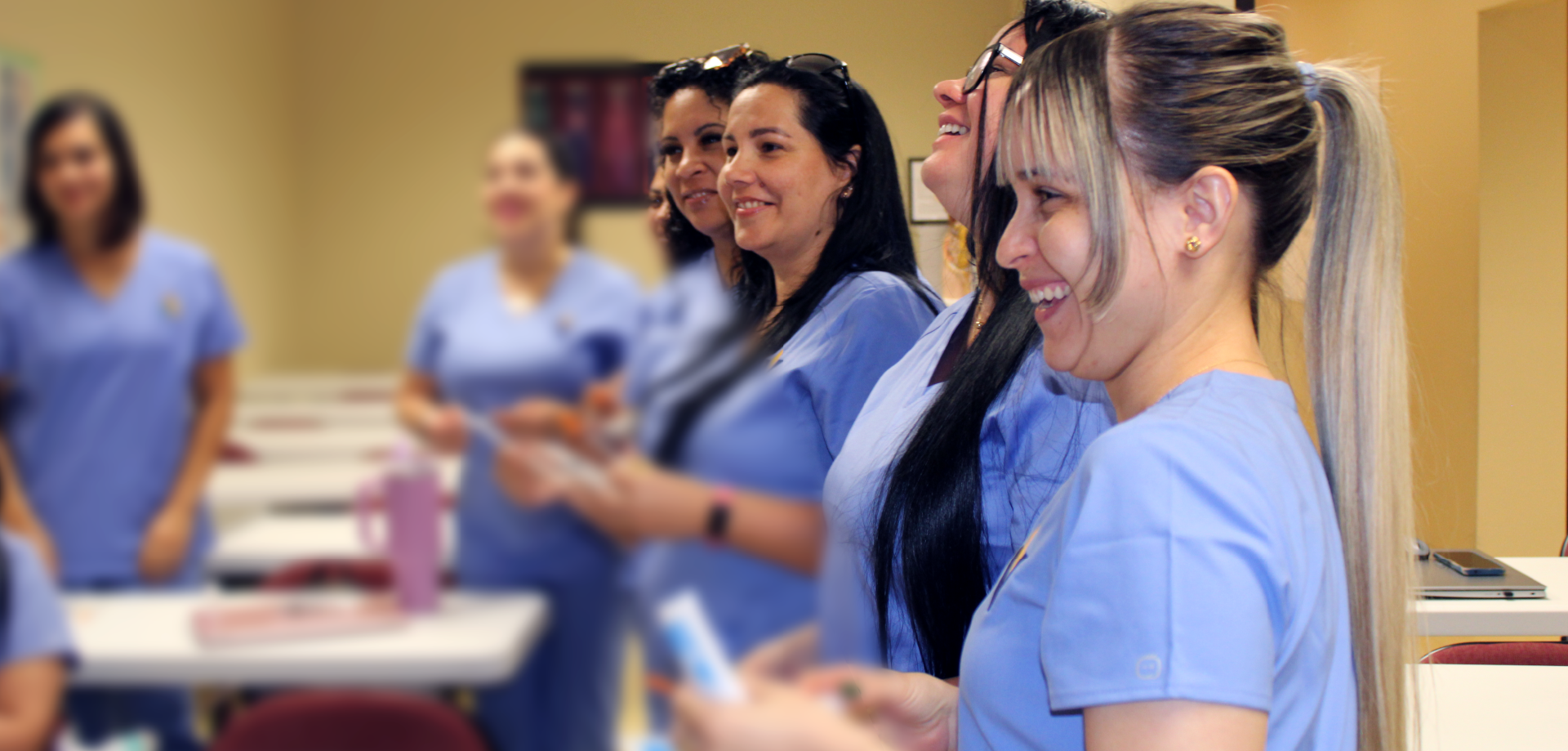
In this blog, we will explore the relationship between Latino immigrants and nursing in Florida, highlighting the opportunities, challenges and contributions of this vital community to the healthcare system.
The Latino Presence in Nursing
The state of Florida is noted for the Latino economic boom in the United States. In addition, it is one of the states with the largest Latino population in the United States, with a significant representation of immigrants from Cuba, Puerto Rico, Mexico, and other Latin American countries. This cultural diversity not only enriches the social fabric of the state but is also an invaluable resource in the healthcare field. Latino nurses can provide culturally competent health care, which is essential in an environment as diverse as Florida. (1)
Spanish language proficiency is an important asset for health care professionals in Florida, as it allows for more effective communication with Latino patients, who may feel more comfortable and understood when being cared for in their native language. This not only improves the patient experience, but also contributes to more accurate and effective medical care, reducing language and cultural barriers.
Opportunities for Latinos in Nursing
The state of Florida offers numerous opportunities for Latino immigrants who wish to pursue a career in nursing. Educational institutions, such as Compu-med Vocational Careers, offer training programs designed to prepare students to enter the healthcare field with the necessary skills. These programs not only provide quality education, but also offer support for licensure and integration into the job market.
In addition, Florida has a high demand for healthcare professionals, which translates into an attractive job market for newly graduated nurses. Latino immigrants, with their unique experience and perspectives, are uniquely positioned to take advantage of these opportunities and contribute significantly to health care in the state.(2)
Challenges Facing Latino Immigrants in Nursing
Despite the opportunities, Latino immigrants in nursing also face a number of challenges. One of the most significant is adapting to the U.S. health care system, which can differ considerably from the health care systems in their countries of origin. This adaptation process includes becoming familiar with regulations and standards of care, as well as overcoming potential language and cultural barriers. Even knowing that Hialeah has a 96% Latino population, language barriers will always exist. (3)
The process of obtaining licenses and certifications can also be a challenge, especially for those who already have experience or education in the healthcare field in their home countries. In many cases, foreign degrees and certifications are not directly transferable, requiring immigrants to complete additional coursework or undergo validation exams. This process can be costly and time-consuming, but it is a necessary step to legally practice nursing in the United States.
Another significant challenge is the impact of immigration status. With the laws passed last year, immigrants who do not have regularized immigration status may face additional difficulties in accessing health care education and employment. Uncertainty about their future in the country can also add an additional level of stress, which can affect their academic and professional performance.(4)
Contributions of Latino Nurses to Florida’s Health Care System
Despite these challenges, Latino nurses have made invaluable contributions to Florida’s health care system. Their ability to act as cultural bridges within the communities where they work is essential to the delivery of quality health care. Latino patients often benefit greatly from care provided by nurses who understand their cultural needs and who can communicate with them in their own language.
In addition, Latino nurses often play leadership roles in their communities, participating in health education programs, immunization campaigns, and other public health initiatives. Their commitment to the health and well-being of their communities not only improves the quality of life for individuals, but also strengthens the social fabric and contributes to the overall well-being of the state.
The Future of Latino Nursing in Florida
Looking ahead, the importance of Latino nurses in Florida will only continue to grow. With an ever-expanding Latino population and a growing demand for healthcare services, Latino healthcare professionals will be in a key position to influence the direction of healthcare in the state.
Educational institutions, such as Compu-med Vocational Careers, play a key role in this development by providing the training and support necessary for Latino immigrants to achieve their career goals in the health care field. By offering programs tailored to the needs of Latino students, these institutions ensure that the next generation of nurses is well equipped to meet the challenges of tomorrow.
The Latino community is a cornerstone of nursing in Florida, and its influence will continue to grow in the years to come. Visit our website https://www.compumed.edu/ and learn about all our programs.