
Understanding the most common places people die may seem like a difficult topic, but it plays an important role in healthcare education and emergency response. For future Emergency Medical Technicians, this knowledge helps provide context for where emergencies are most likely to occur and how care is delivered in different environments.
For students in Florida considering a career in emergency medical services, learning about these patterns can help you better understand the real-world situations EMTs face every day.
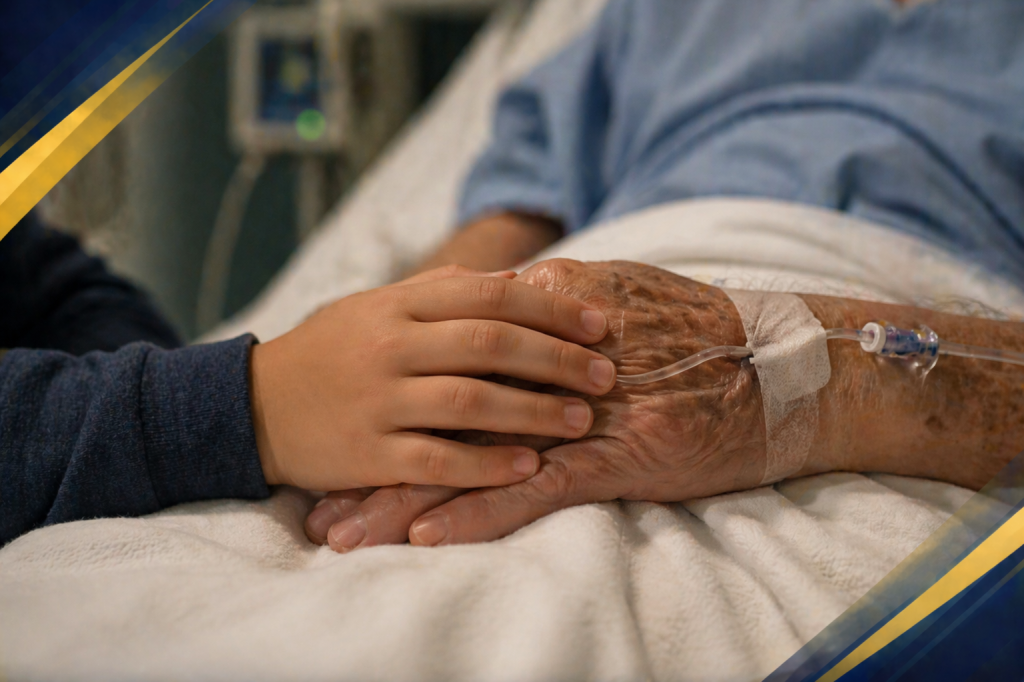
Why Location Matters in Emergency Care
Where a medical emergency occurs can significantly impact how quickly care is delivered and what type of response is needed. EMTs are trained to adapt to a wide range of environments, from private homes to public spaces and healthcare facilities.
Each setting presents unique challenges, which is why EMT training emphasizes flexibility, quick thinking, and strong assessment skills.
The Most Common Places People Die
1. At Home
The majority of deaths occur at home. This is especially common among older adults and individuals with chronic illnesses.
Emergencies at home may include:
Cardiac arrest
Respiratory failure
Stroke
Complications from long-term medical conditions
For EMTs, home environments can vary greatly, requiring them to quickly assess the situation and provide care with limited space or resources.
2. Hospitals
Hospitals are another common place where people die, particularly for patients receiving treatment for serious illnesses or injuries.
While hospitals have advanced medical equipment and staff, EMTs play a key role in transporting patients and providing care before arrival.
3. Nursing Homes and Long-Term Care Facilities
Nursing homes and assisted living facilities frequently handle patients with complex health conditions.
EMTs often respond to calls in these settings for:
Falls and injuries
Respiratory issues
Cardiac events
Medical complications
These environments require strong communication skills, as EMTs must work closely with facility staff and review patient histories.
4. Public Places
Medical emergencies can happen anywhere, including shopping centers, workplaces, schools, and recreational areas.
Common incidents in public places include:
Sudden cardiac arrest
Accidents or injuries
Heat-related illnesses
Allergic reactions
In these situations, EMTs must manage crowds, ensure scene safety, and provide immediate care.
5. Roadways and Accident Scenes
Traffic accidents are a leading cause of sudden and traumatic death.
EMTs frequently respond to:
Car crashes
Motorcycle accidents
Pedestrian injuries
These scenes can be unpredictable and require quick decision-making, coordination with other emergency responders, and rapid patient stabilization.
What This Means for EMTs
Because emergencies can happen anywhere, EMTs must be prepared to respond in a wide variety of environments.
This requires the ability to:
Assess patients quickly in different settings
Adapt to limited or challenging conditions
Provide Basic Life Support and emergency care
Communicate effectively with patients, families, and other responders
Remain calm under pressure
Understanding where emergencies commonly occur helps EMTs anticipate challenges and respond more effectively.
How EMT Training Prepares You for Real-World Scenarios
EMT programs are designed to prepare students for the reality of emergency care. Training includes both classroom instruction and hands-on experience to simulate real-life situations.
Students learn how to:
Respond to emergencies in homes, public spaces, and medical facilities
Perform patient assessments in unpredictable environments
Use medical equipment effectively in the field
Work as part of a coordinated emergency response team
This training ensures students are ready to handle emergencies wherever they occur.
EMT Training at Compumed Vocational Careers in Florida
For students in Florida interested in becoming EMTs, Compumed Vocational Careers offers a comprehensive training program that prepares you for real-world emergency response.
The program focuses on building the skills needed to provide care in all types of environments, from private homes to high-stress accident scenes.
Program Duration
The EMT program is designed for quick entry into the healthcare field.
Program length: 4 months (16 weeks)
Total training hours: 300 hours
Students receive in-person instruction, hands-on simulations, and clinical experience.
What You Will Learn
At CMVC, students gain practical skills that apply directly to real emergencies.
Training includes:
Pre-hospital care for medical emergencies
Basic Life Support and airway management
Patient assessment and trauma management
Use of medical equipment
Safe patient transport procedures
Emergency protocols and teamwork
This training prepares students to respond confidently in any setting.
Admission Requirements
To enroll in the EMT program at Compumed Vocational Careers, applicants must:
Be at least 18 years old
Have a high school diploma or GED
Provide valid identification and a Social Security Number
Complete a medical exam, vaccinations, and drug screening
Hold CPR or Basic Life Support certification or complete it during the program
No prior experience is required.
Career Opportunities for EMT Graduates
After completing training and certification, graduates can work in a variety of settings where emergencies occur.
These include:
Ambulance services
Fire departments with EMS
Emergency rooms and urgent care clinics
Medical transport companies
With strong demand across Florida and the United States, EMTs play a vital role in community health and safety.
Start Your EMT Career at Compumed Vocational Careers
Understanding the most common places people die helps highlight the importance of emergency medical services and the critical role EMTs play in saving lives.
If you are ready to begin a meaningful healthcare career, Compumed Vocational Careers can help you get there.
In just four months, you can gain the training and experience needed to become an EMT and make a difference in your community. Apply today and take the first step toward a career dedicated to helping others when it matters most.