
Natural disasters such as floods, earthquakes, and hurricanes are unpredictable events that test the response capacity of the United States healthcare infrastructure. In these high-risk scenarios, Emergency Medical Technicians (EMTs) are the tip of the spear: they save lives and stabilize patients.
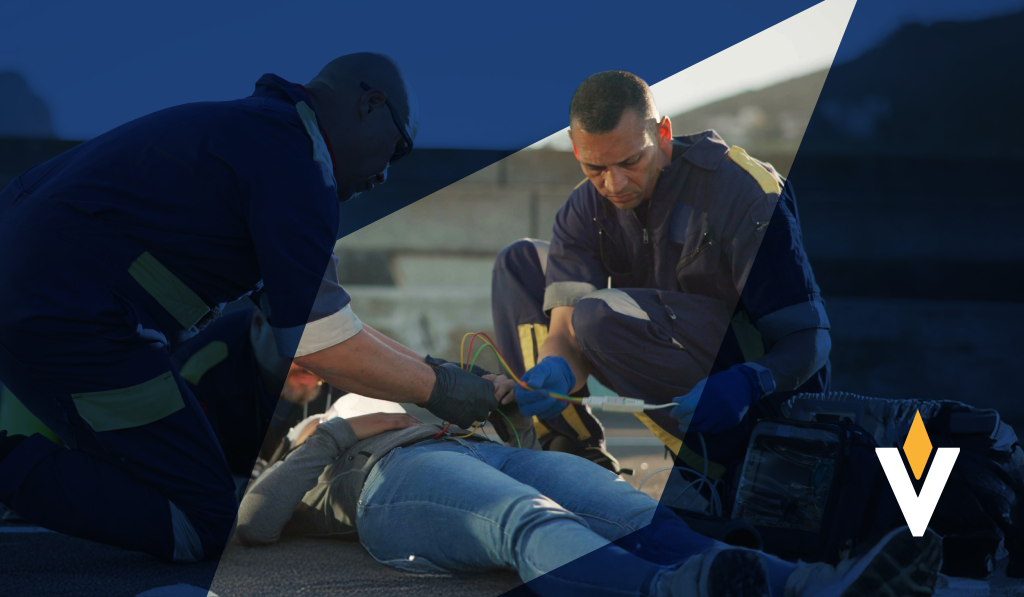
But how are their actions organized within the United States? What federal and local protocols do they follow? This CMVC article explores disaster response plans within the US framework, the crucial role of EMTs, and the trends that are transforming emergency care in the country.
Why Are Response Plans Essential? The NIMS Framework
A natural disaster can collapse infrastructure and cause mass casualty incidents (MCIs) in a matter of minutes. In the United States, chaos is managed through the National Incident Management System (NIMS). Unlike improvised organizational structures, NIMS provides a standardized template for managing incidents, ensuring that local EMS services, fire departments, police, and federal agencies (like FEMA) work together seamlessly.
A comprehensive emergency response plan in the US includes:
- Hazard Vulnerability Analysis (HVA): Identification of specific local threats (e.g., hurricanes in Florida, earthquakes in California).
- Incident Command System (ICS): The backbone of disaster response in the US. It establishes a clear chain of command where EMTs know exactly who to report to, regardless of the agency.
- Resource Management: Protocols for requesting mutual aid from neighboring states through the Emergency Management Assistance Compact (EMAC).
According to FEMA, this standardized approach ensures that when local resources are overwhelmed, state and federal support can integrate without confusion.
In the United States, EMTs operate under the National EMS Scope of Practice Model, adapting their focus during natural disasters to prioritize collective survival over individual care. This operational transition strictly begins with scene safety; following OSHA and NFPA regulations, technicians must rule out hazards such as downed electrical cables or chemical leaks before intervening. Once on the ground, they implement standardized triage algorithms like START or SALT, rapidly classifying victims using color codes to organize treatment based on each patient’s probability of survival.
Simultaneously, clinical intervention focuses on stabilizing immediate life threats, such as controlling massive hemorrhages using tourniquets, opening airways, and managing shock. This medical work does not occur in isolation, but is integrated with complex logistical operations where EMTs collaborate closely with Urban Search and Rescue (USAR) task forces, working within collapsed structures to ensure continuous care from the moment of rescue.
Specific Protocols for US Disaster Scenarios
Protocols vary by region but adhere to national standards:
- Floods and Hurricanes: EMTs often work with Swift Water Rescue teams. Protocols emphasize the prevention of hypothermia, the management of waterborne contaminants, and the use of high-water vehicles. The National Hurricane Program guides evacuation and medical shelter operations.
- Earthquakes: In seismic zones, EMTs are trained to aggressively treat Crush Syndrome (rhabdomyolysis) with fluids before extricating victims from debris to prevent kidney failure, a standard emphasized in PHTLS (Prehospital Trauma Life Support).
- Wildfires: EMTs support fire crews by managing smoke inhalation injuries, burns, and heat exhaustion, often deploying as part of “Medical Units” within the ICS structure.
The United States leads the integration of advanced technology into EMS disaster response, utilizing FirstNet, a dedicated wireless broadband network exclusively for first responders, to guarantee reliable communications even when commercial networks collapse. This infrastructure is complemented by the use of telemedicine, which allows EMTs in the field to consult in real-time with trauma surgeons, and drones, which are essential for rapid scene assessment and the urgent delivery of vital supplies, such as defibrillators or blood products, to inaccessible areas. Despite these advances, challenges such as the “rural EMS crisis” and responder burnout persist. Programs focused on Mental Health First Aid for emergency personnel are becoming a standard to combat post-traumatic stress disorder (PTSD).
Your Path to Becoming a First Responder
If your calling is to save lives and act in the most critical moments, CMVC’s Emergency Medical Technician (EMT) Program is your opportunity. With hands-on training, real-life simulations, and instruction on protocols, you will learn how to handle emergencies ranging from cardiac arrests to natural disasters with multiple casualties.
Natural disasters are inevitable, but tragedy does not have to be. In the United States, the line between chaos and survival is drawn by the preparedness of our Emergency Medical Technicians. US EMTs are ready to protect their communities. At CMVC, we are committed to training the next generation of competent, ethical, and prepared professionals, providing them with the necessary tools to act with precision and humanity.
References
- FEMA. (2024, September 30). National incident management system. Www.fema.gov. https://www.fema.gov/emergency-managers/nims
- NATIONAL EMS SCOPE OF PRACTICE MODEL 2019 The National Highway Traffic Safety Administration Education Credentialing Certification Licensure ��NHTSA III. NA110NAL -•w•• TRAPPIC u,n, ••-•nunoN. (n.d.). https://www.ems.gov/assets/National_EMS_Scope_of_Practice_Model_2019.pdf
- CDC. (2024, May 14). Wildfires and Your Safety. Wildfires. https://www.cdc.gov/wildfires/about/index.html