
If you are considering a career in emergency medical services, learning how to prepare for EMT school is one of the most important first steps. EMT training is fast-paced, hands-on, and academically challenging, but with the right preparation, you can set yourself up for success from day one.
For prospective students in Florida, understanding what to expect and how to get ready can make your transition into EMT school smoother and more rewarding.
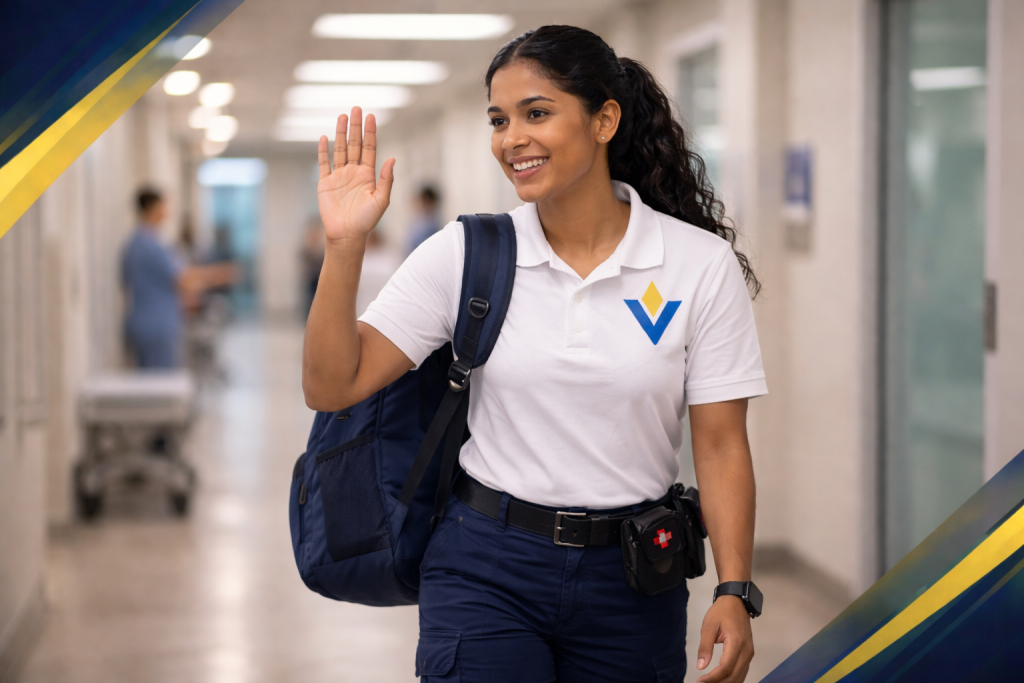
What to Expect in EMT School
EMT school combines classroom learning with practical, real-world training. Students are taught how to respond to emergencies, assess patients, and provide life-saving care before reaching the hospital.
You can expect to learn about:
Patient assessment and vital signs
Airway management and Basic Life Support
Trauma and medical emergencies
Emergency response protocols
Safe patient transport
Programs are often intensive, requiring focus, time management, and commitment.
Why Preparation Matters
Preparing for EMT school ahead of time can help you stay confident and avoid feeling overwhelmed. Since EMT programs move quickly, having a basic understanding of key concepts and strong study habits can make a big difference.
Students who prepare early are more likely to succeed both in the classroom and during hands-on training.
Steps to Prepare for EMT School
1. Meet the Basic Requirements
Before enrolling, make sure you meet the standard admission requirements for most EMT programs.
These typically include:
Being at least 18 years old
Having a high school diploma or GED
Providing valid identification
Completing a medical exam and vaccinations
Obtaining CPR or Basic Life Support certification or planning to complete it during the program
Checking these off early will prevent delays in starting your training.
2. Build a Strong Foundation in Basic Skills
You do not need prior medical experience, but having a basic understanding of certain topics can help.
Focus on:
Basic anatomy and physiology
Medical terminology
Reading comprehension
Basic math skills
These subjects are commonly used throughout EMT training.
3. Get CPR Certified
Many EMT programs require CPR or Basic Life Support certification. Completing this ahead of time can give you a head start and help you feel more comfortable with hands-on skills.
CPR training also introduces you to life-saving techniques that are central to EMT work.
4. Develop Good Study Habits
EMT school moves quickly, so strong study habits are essential.
Helpful strategies include:
Creating a consistent study schedule
Taking organized notes
Reviewing material regularly
Using flashcards for key terms
Staying disciplined with your studies will help you keep up with the pace of the program.
5. Improve Physical and Mental Readiness
EMTs often work in physically and emotionally demanding environments. Preparing your body and mindset can help you succeed.
Consider:
Maintaining a healthy level of fitness
Practicing stress management techniques
Building teamwork and communication skills
Being prepared both physically and mentally will help you handle real-world situations more effectively.
6. Learn About the Role of an EMT
Understanding what EMTs do on a daily basis can help you feel more prepared and motivated.
EMTs are responsible for:
Responding to emergency calls
Assessing patient conditions
Providing Basic Life Support
Stabilizing patients for transport
Working as part of a healthcare team
Having a clear picture of the role can help you stay focused during training.
How Long Does EMT School Take?
Many students choose EMT programs because they offer a fast path into the healthcare field. Program length varies, but most can be completed in a few months.
This allows students to quickly gain the skills needed to start working in emergency medical services.
EMT Training at Compumed Vocational Careers in Florida
For students in Florida looking for a structured and supportive learning environment, Compumed Vocational Careers offers an EMT program designed to prepare you for success from day one.
The program combines classroom instruction with hands-on training, helping students build confidence and real-world skills.
Program Duration
The EMT program at CMVC is designed for efficiency without sacrificing quality.
Program length: 4 months (16 weeks)
Total training hours: 300 hours
Students receive in-person instruction, simulations, and clinical experience.
What You Will Learn
At CMVC, students gain comprehensive training in emergency medical care.
This includes:
Pre-hospital care for medical emergencies
Basic Life Support and airway management
Patient assessment and trauma management
Use of medical equipment
Safe patient transport procedures
Emergency protocols and teamwork
This training ensures you are fully prepared for both certification and real-world emergency situations.
Admission Requirements
To enroll in the EMT program at Compumed Vocational Careers, applicants must:
Be at least 18 years old
Have a high school diploma or GED
Provide valid identification and a Social Security Number
Complete a medical exam, vaccinations, and drug screening
Hold CPR or Basic Life Support certification or complete it during the program
No prior healthcare experience is required.
Career Opportunities After EMT School
After completing your training and certification, you can pursue a variety of roles in healthcare and emergency services.
These include:
Ambulance services
Fire departments with EMS
Emergency rooms and urgent care clinics
Medical transport companies
With high demand across Florida and the United States, becoming an EMT offers strong job stability and growth opportunities.
Start Your Journey at Compumed Vocational Careers
Learning how to prepare for EMT school is the first step toward a rewarding career in healthcare. With the right preparation, you can enter your program with confidence and set yourself up for success.
At Compumed Vocational Careers, students receive hands-on training, experienced instruction, and real-world preparation that supports long-term success.
In just four months, you can begin your journey toward becoming an EMT. Apply today and take the first step toward a career dedicated to helping others in critical moments.