
If you are considering a career in emergency medical services, you may be wondering what types of situations EMTs face on a daily basis. Understanding the most common emergencies EMTs respond to can give you a realistic view of the profession and help you decide if this career path is right for you.
Emergency Medical Technicians are trained to provide immediate care during critical and unpredictable situations. While every shift is different, certain types of emergencies occur more frequently than others.
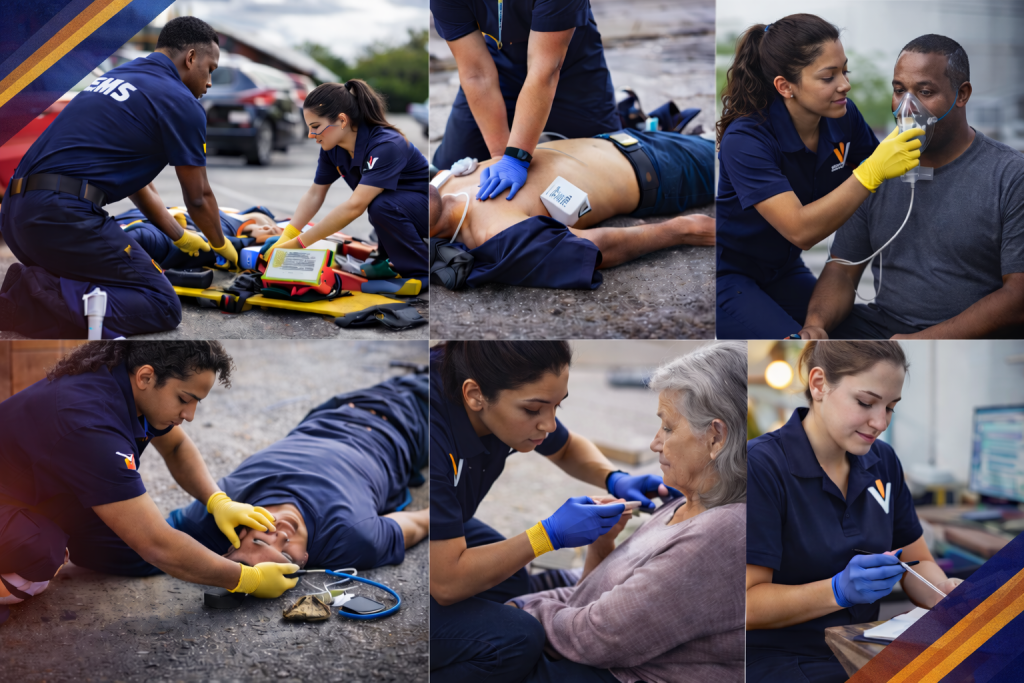
1. Trauma and Accident Injuries
Trauma calls are among the most common emergencies EMTs respond to. These situations may include:
- Motor vehicle accidents
- Falls
- Workplace injuries
- Sports injuries
- Assault-related trauma
In trauma situations, EMTs focus on stabilizing patients, controlling bleeding, managing airway issues, and preparing for rapid transport to a hospital.
2. Cardiac Emergencies
Cardiac-related calls are another frequent emergency type. These may involve:
- Chest pain
- Suspected heart attacks
- Cardiac arrest
- Irregular heart rhythms
EMTs are trained to perform CPR, use automated external defibrillators, administer oxygen, and provide basic life support while transporting patients for advanced care.
3. Respiratory Distress
Breathing problems are common reasons people call for emergency medical assistance. EMTs often respond to:
- Asthma attacks
- Allergic reactions
- Chronic obstructive pulmonary disease complications
- Severe respiratory infections
Airway management is a critical skill in EMT training because oxygen deprivation can quickly become life-threatening.
4. Seizures and Neurological Emergencies
EMTs frequently assist patients experiencing seizures. These calls require quick assessment to ensure patient safety and determine whether further medical intervention is needed.
Other neurological emergencies may include suspected strokes or altered mental status.
5. Diabetic and Medical Emergencies
Blood sugar emergencies are also common. EMTs respond to both low and high blood sugar situations, which can cause confusion, unconsciousness, or other serious symptoms.
Additional medical emergencies may include dehydration, severe infections, or sudden illness.
6. Behavioral and Mental Health Emergencies
EMTs may respond to situations involving anxiety attacks, substance-related incidents, or mental health crises. These calls require strong communication skills and the ability to remain calm while ensuring patient safety.
What This Means for Future EMT Students
The most common emergencies EMTs respond to require quick thinking, strong assessment skills, and the ability to stay calm under pressure. EMT training programs prepare students for these real-world scenarios through classroom instruction and hands-on practice.
If you are motivated by helping others during critical moments, the variety and importance of EMT work may make this career both challenging and rewarding.
Begin Preparing for a Career in Emergency Medical Services
Understanding the types of emergencies EMTs handle can help you feel more prepared for training. With proper education and structured instruction, you can develop the skills necessary to respond effectively in urgent situations.
If you are ready to explore EMT training and take the first step toward a career in emergency medical services, now is the time to learn more about your options.